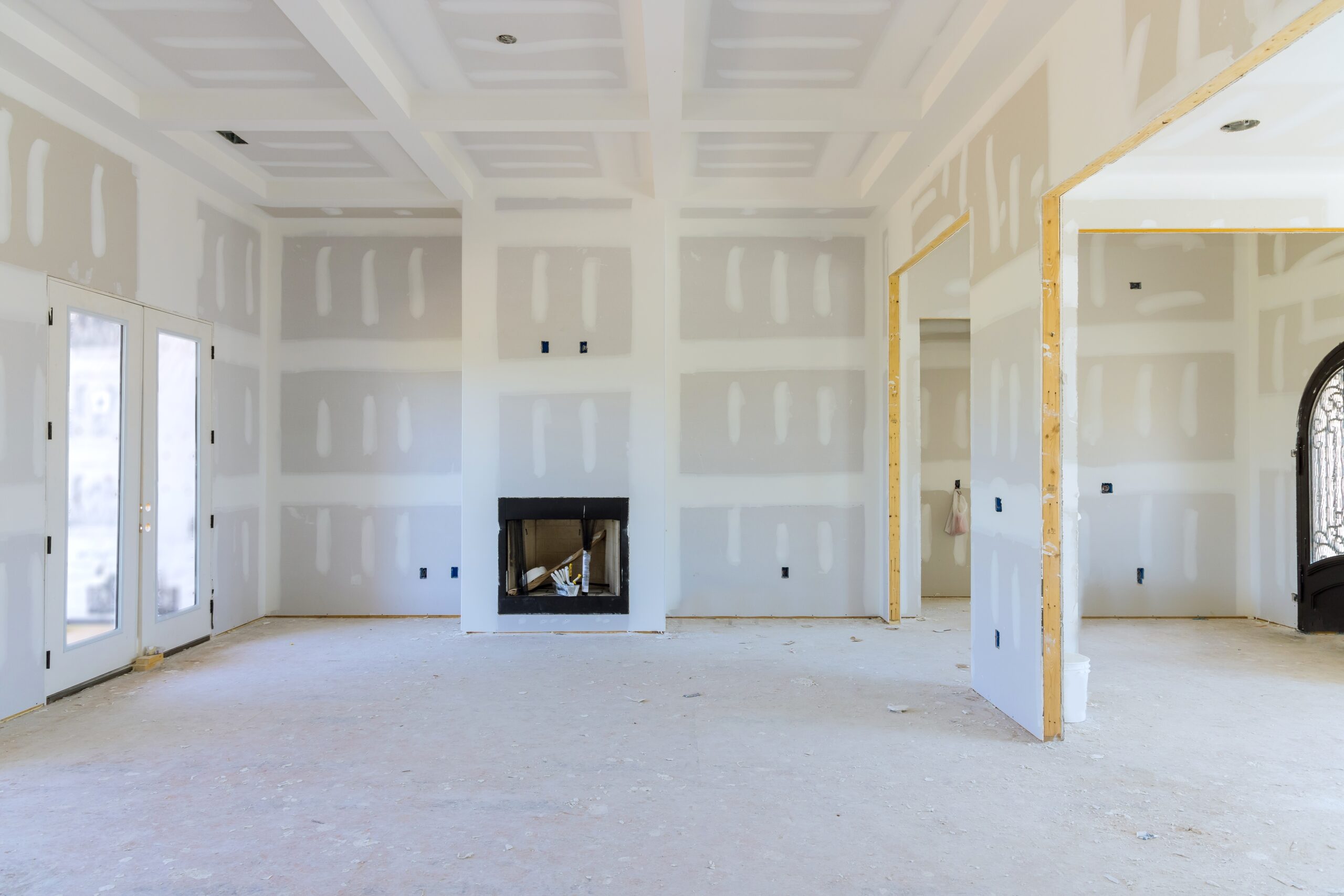
Essential Drywall Repair Techniques for a Perfect Finish Feb 15, 2026
To begin your drywall repair journey, it's essential to assess the extent of the damage. Smaller holes and cracks typically require less extensive repairs, while larger punctures might necessitate more specialized techniques. This initial evaluation will help you decide whether you need professional services or can manage it yourself.
For small dings or nail holes, a quick fix often suffices. Start by lightly sanding the area around the damage to create a smooth surface. Apply a small amount of joint compound using a putty knife, ensuring you press firmly to fill the imperfections completely. Once the compound has dried, sand it gently until smooth, taking care not to damage the surrounding drywall. A touch of primer and matching paint will make your wall look as good as new.
Cracks in drywall can occur due to settling, moisture, or temperature changes. For hairline cracks, the application of a flexible patch available at most hardware stores can keep the repair simple. Larger cracks might need some drywall tape to ensure the repair holds over time. Begin by laying a strip of self-adhesive mesh tape over the crack. Apply a thin coat of joint compound over the tape, extending it a few inches beyond the tape edges to blend seamlessly with the wall. After drying, apply additional thin layers, sanding between applications until smooth.
Addressing larger holes requires a bit more preparation. First, trim the hole into a neat square or rectangular shape. Cut a new piece of drywall to match the dimension of the cut-out area. Secure the new drywall patch in place, usually by attaching it to a backer board within the wall cavity or by using clips specifically designed for this purpose. Apply drywall tape along the seams, followed by several layers of joint compound. Sand and prime the entire area before painting.
Finishing your drywall repair with texturing is a step not to be overlooked, especially if your walls or ceilings have notable texture. Texture sprays and techniques such as knockdown, orange peel, or even spatter can be used to recreate the original surface pattern. Practicing on a scrap piece of drywall can be beneficial before applying texture to your walls.
Ultimately, practicing these techniques can save you valuable time and money. However, safety should always be your top priority. Wearing a mask to avoid inhaling dust, using eye protection when sanding, and ensuring proper ventilation are crucial steps in protecting your health.
If you're ever in doubt or need guidance, A.O.K Drywall Services is ready to assist. Expert services and a professional touch can make challenging repairs more manageable and ensure a pristine finish every time. For DIY enthusiasts, remember that patience, practice, and the right materials are your best allies for a successful drywall repair. Keep these techniques in mind, and you'll be able to tackle imperfections with confidence, enjoying beautiful, smooth walls as a result.
/filters:no_upscale()/filters:format(webp)/media/d88c00a0-f672-45c9-923f-a49d99e01704.jpeg)
/filters:no_upscale()/filters:format(webp)/media/dfcadc57-f4f9-4560-a7f8-b296389495d6.jpeg)